
For years, sporadic anecdotes about hybrid battery failures have been reported by individual hybrid drivers. But finally, the automakers are reporting the first numbers about the likelihood of batteries failing after the warranty expired.
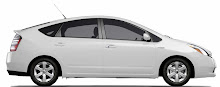
With more than 100,000 Honda hybrids on the road, the automaker told Newsweek that fewer than 200 had a battery fail after the warranty expired. That’s a 0.002 likelihood. Toyota says its out-of-warranty battery replacement rate is 0.003 percent—or one out of 40,000 Priuses—for the second generation Prius. Based on this rate, and the fact that very few of the second-generation Priuses have been driven beyond the warranty period, perhaps fewer than a dozen have had battery failures after the warranty expired. Replacement rates for the first generation Prius was closer to 1 percent.
Most hybrid-producing automakers offer a warranty on hybrid components for the first 100,000 miles. In California and other states using California’s stricter emissions laws, the warranty is extended to 150,000 miles.
The next logical question is the replacement cost, which has been very difficult to determine—but the numbers are in. The cost of a new Honda hybrid battery pack ranges from $2,000 to $2,500 depending on the model. Toyota currently sells a Prius pack for about $3,000. Installation costs are approximately $900, according to the Newsweek article. Both companies plan to substantially reduce the cost of the replacement packs, as they reach economies of scale on battery production.
The hybrid battery industry is growing by leaps and bounds, as automakers prepare for a rapid increase in demand for hybrids and electric vehicles. Toyota recently announced plans to invest $673 million to build two new battery plants and expand a third. The goal is annual battery output of 1 million units by 2011.
Volkswagen—a company that has not sold its first hybrid—announced yesterday that it will partner with Japan’s Sanyo Electric to manufacture next-generation lithium ion batteries. Sanyo, which produces hybrid batteries for Ford and has agreements with a number of other carmakers, is investing $769 million to expand production. Earlier this month, Nissan—with limited hybrid sales so far—announced plans to build a battery production facility with NEC Corp, with the goal of ramping up annual production from 13,000 units initially to 65,000 units. As Volkswagen, Nissan and nearly every other major automaker join the race toward hybrids and electric vehicles, establishing a supply of durable, powerful, high-energy batteries could become a make-or-break proposition.


 Posts
Posts


No comments:
Post a Comment